
How Can Hospice Patients Benefit From The Outdoors?
Think back to the last time you were sick with a cold or the flu. Do you recall how comforting the sun and fresh air felt the first time you left the house after becoming ill? Although a small example, this is indicative of the healing effect nature can have on us. While doctors and nurses are busy caring for their patients’ medical needs, the benefits of nature often take a backseat to traditional treatment options. However, many studies show time in nature can ease physical and emotional discomfort. Let’s dig into why this is and how nature can help patients during their time in hospice care.
Hospice Patients and the Need for Connection with Nature
The big question is: why? Why do hospice patients need a connection with nature? Simply put, all humans need nature because we are a part of the natural world. To deny one is to deny a part of ourselves. Whether that connection feels spiritual or based in science depends on your personal belief system, but the connection exists nonetheless.
It’s common for people to feel a pull toward nature as patients get closer to the end of their time on Earth. Nature has a way of offering something familiar, whether it’s birdsong or the rise and fall of the sun each day. It offers perspective that we’re all a part of something much bigger than ourselves, which can be comforting to some patients. Of course, time outdoors isn’t mandatory for hospice patients, but offering the option can make a significant difference for those in the final stages of life.
Easing Anxiety with Fresh Air and Open Skies
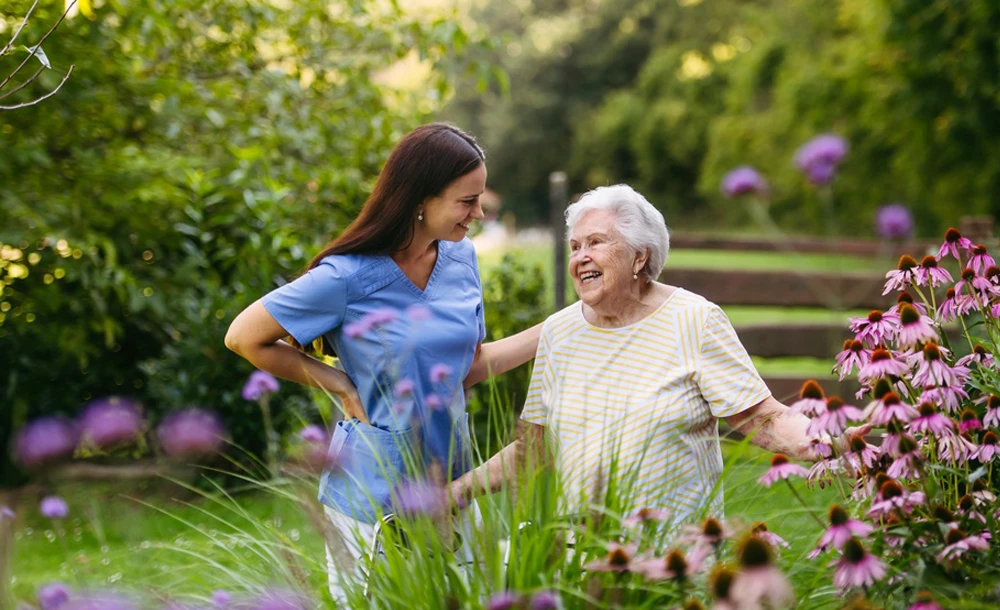
Anxiety plagues so many patients and their families. The fear of the unknown can stifle quality time with loved ones in hospice care. But fear not; nature is a great antidote for anxiety. Spending time outdoors is a great way to practice grounding techniques via the five senses. Even just a change in location from a hospital room to a greenspace can help ease worries. Meditating to the soft sounds, breathing in the fresh air, and noticing the visual effects of the light on the trees are all ways to stay present in the now. These techniques can help lower stress, reduce heart rate, and calm the nervous system for both hospice care patients and friends and family. Although these methods may feel like a drop in the bucket when faced with death, for many hospice patients, these small moments are what their life comes down to in the very end. And we believe even the smallest moments deserve dignity and compassion.
Soothing Pain Through Sunlight, Warmth, and Distraction
It’s important to distinguish that time in nature is not a replacement for real medical treatment. Spending time outdoors cannot cure cancer, but it can help soothe the soul and some emotional or mental pain. Science has proven that exposure to sunlight can help increase hormone levels, boosting both mood and energy levels. Additionally, UV rays from sunlight can support Vitamin D production, reducing both stress and pain levels, and can help keep depression symptoms at bay. For end-of-life care, these are the daily factors that make the most difference in patients’ lives.
Spending Time with Loved Ones in Nature
The world can look very small for patients in hospice care. Patients spend a lot of time in one room without much reprieve to go back to somewhere they feel comfortable. Outdoor areas like a park bench, a patio, or just an outdoor sitting area can make a world of difference. Outdoor spaces can offer a more relaxing or comfortable space for visitors and patients alike. Not only will there be more space for people to gather, but it’ll also offer a serene setting to reminisce, tell stories, or to make a memory that doesn’t exist inside a hospice or hospital setting.
Garden Therapy: Outdoor Engagement Ideas for All Abilities
Garden therapy is a therapeutic technique that aims to use plants and nature to improve physical. emotional, and spiritual well-being. Although most people think of gardening as planting into the ground, garden therapy is incredibly accessible for hospice patients without getting on your knees and digging in the dirt. Growing herbs in small pots is something almost anyone can do with a little help. Herbs tend to grow quickly and easily, making them a great pet to tend to and keep alive. Even activities like touching soil, smelling flowers, or watering a potted plant can be enough to reap the rewards!
Engagement Ideas for All Abilities
As we’ve discussed, spending time outside, in any capacity, can be beneficial for the body, mind, and spirit. Here are a few outdoor ideas for all levels of physical health:
- Patients who are mobile: trip to a local garden center to pick out a plant to care for, a short stroll at a local park.
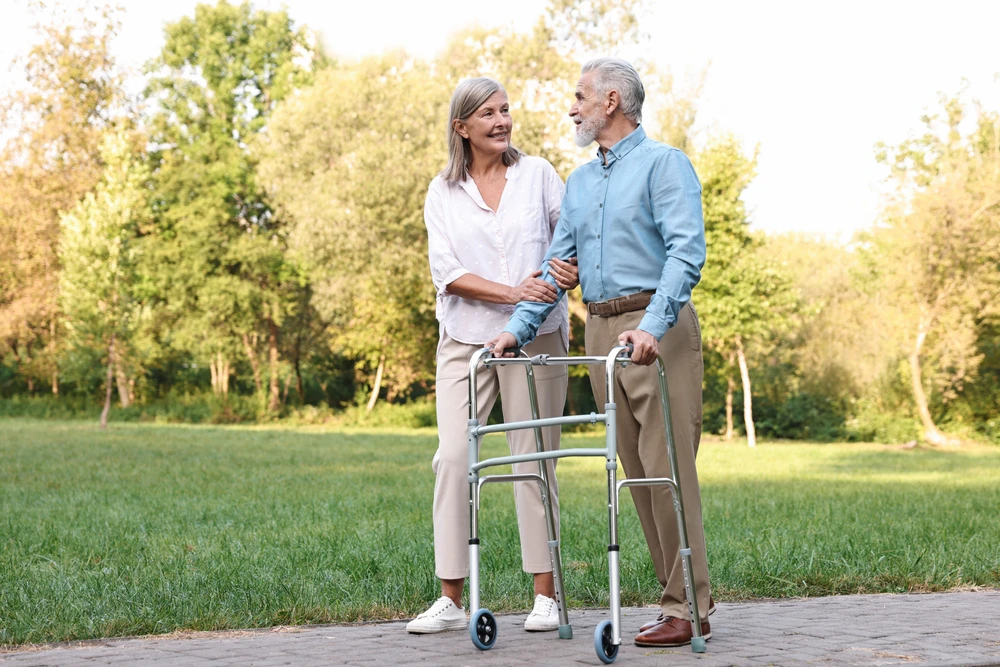
- Patients with limited mobility: enjoying time on the porch or patio, birdwatching with binoculars, stroll in the park with mobility devices or the help of caregivers and loved ones.
- Bedbound Patients: Ask for a room with a window or sliding glass door, ask if the bed can be wheeled into outdoor areas or areas with large windows with a view of nature, or windows that can be opened.
If none of these options are feasible, consider supplementing any natural elements you can indoors. Consider adding a plant to the patient’s room, a noise machine, a candle warmer with scents they love, etc.
Supporting Mental Health for the Whole Family
Spending time outdoors isn’t just good for patients, but loved ones too. All the healing qualities of the human-nature connection apply to everyone who participates. Nature is a great place to face grief head-on. The calming effect of the great outdoors can provide a gentle space to reflect, remember, and immortalize your loved one.
If you are facing the difficult decision of hospice care for your family or friend, please reach out to Bayou City Hospice at 713-527-2727